
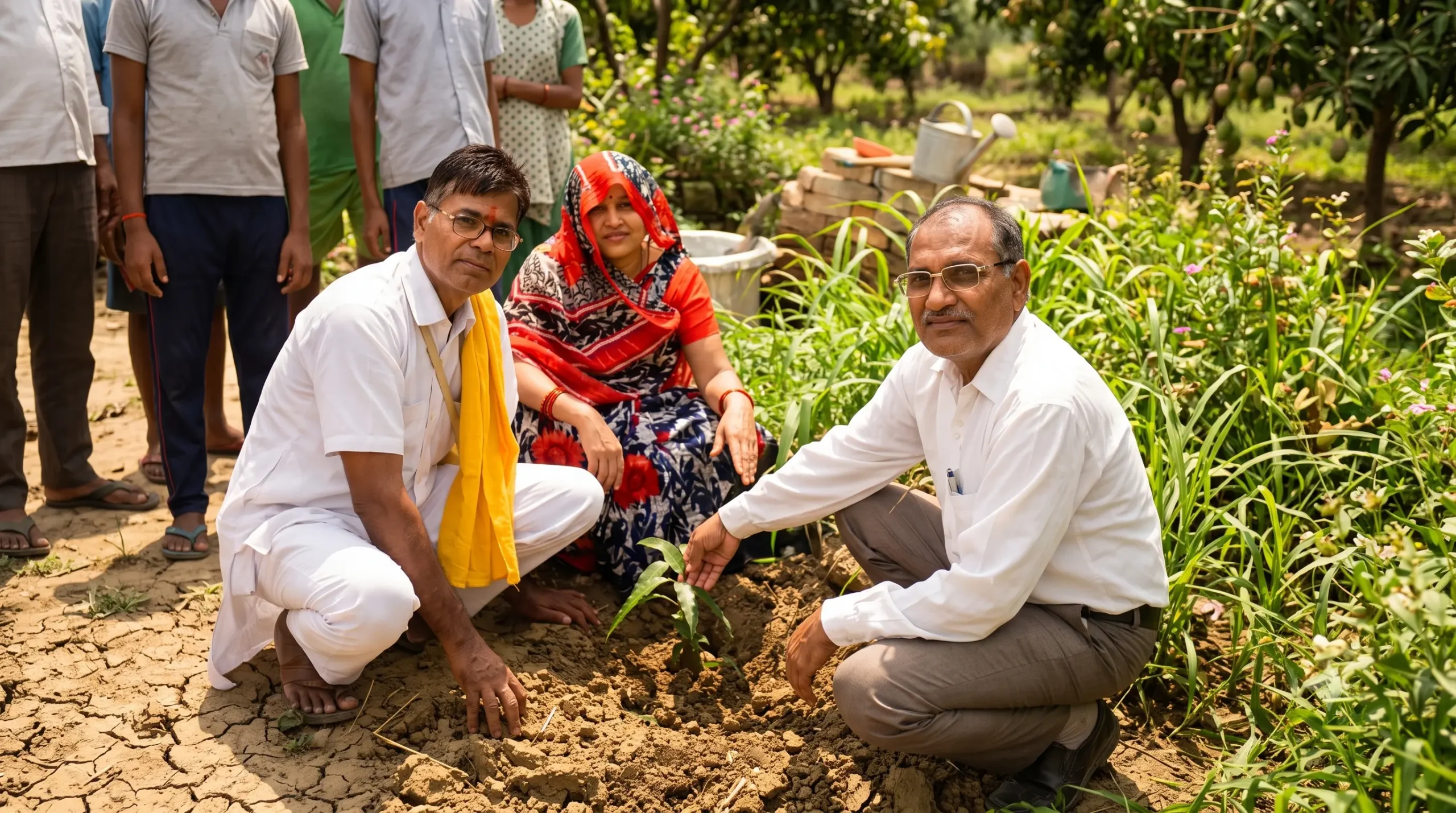
Tree Plantation and Environmental Responsibility: A Community Commitment The environment is a shared responsibility. Trees provide shade, support biodiversity, contribute to healthier surroundings, and form an important part of the natural ecosystem. With increasing environmental challenges, tree plantation and environmental awareness have become important community activities.
Shriram Seva Ashram Samiti has participated in tree plantation initiatives with the aim of encouraging people to understand the importance of protecting and increasing green cover. Why Tree Plantation Matters Trees are an essential part of healthy ecosystems. They provide habitat for birds and other wildlife, contribute to soil stability, and help create greener surroundings. However, planting a tree is only the beginning.
A successful plantation initiative also requires proper selection of plants, suitable locations, watering, protection, and long-term care. Community participation can make these efforts more sustainable. When residents, students, volunteers, and social organizations work together, newly planted trees are more likely to receive continued attention. From Plantation to Protection Environmental responsibility should not end after a plantation event.
Trees require care, especially during their early stages of growth. People can contribute by protecting young plants from damage, ensuring appropriate watering when necessary, and encouraging local communities to take responsibility for planted areas. Schools, residential communities, social organizations, and local groups can develop small plantation projects and assign volunteers to monitor them.
The goal should be to create a culture where planting and protecting trees becomes a regular community practice rather than an occasional event. Educating the Next Generation Environmental education is particularly important for children and young people. When students participate in plantation activities, they experience environmental responsibility directly rather than learning about it only through books.
A young person who plants and cares for a tree can develop a stronger understanding of nature and community responsibility. Schools and social organizations can organize activities such as plantation drives, cleanliness campaigns, nature-awareness sessions, and educational programs about local biodiversity. These activities can also encourage families to plant suitable trees around homes, institutions, and community spaces where appropriate. Community Service and Environmental Awareness Environmental protection connects naturally with social service.
A clean and green environment benefits the entire community, making it a cause that can bring people together. Shri Ram Seva Ashram Samiti’s plantation activities demonstrate how social organizations can encourage collective participation in environmental initiatives. Volunteers do not necessarily need to make a large contribution. Even small actions—planting a tree, protecting an existing tree, avoiding unnecessary waste, keeping public spaces clean, or encouraging others to care for nature—can contribute to a larger effort. Become Part of the Green Movement Environmental work becomes stronger when more people participate.
The Samiti encourages socially responsible individuals, students, teachers, businesses, community groups, and volunteers to contribute to environmental awareness and plantation activities. If you have access to a suitable plantation space, can provide volunteer support, or would like to organize an environmental awareness activity, you can connect with Shriram Seva Ashram Samiti.
Your support can help turn an individual plantation effort into a community movement. Let’s not only plant trees—let’s take responsibility for their growth and protection. By working together, communities can create greener surroundings, educate future generations, and strengthen the culture of environmental responsibility.
Join Shriram Seva Ashram Samiti in its efforts toward community service, environmental awareness, and a greener future. Your participation can become a small but meaningful step toward positive change.